How to Professional Technical Ceramics: A Comprehensive Guide for B2B Buyers
Introduction to Technical Ceramics
Technical ceramics, also known as advanced ceramics or engineering ceramics, are a class of materials engineered to exhibit superior mechanical, thermal, electrical, and chemical properties. Unlike traditional ceramics, which are primarily used for decorative or household purposes, technical ceramics are designed for high-performance applications across industries such as aerospace, automotive, electronics, medical, and energy. The global technical ceramics market was valued at approximately USD 10.5 billion in 2022 and is projected to grow at a CAGR of 6.5% from 2023 to 2030, driven by increasing demand for lightweight, durable, and high-temperature-resistant materials (Grand View Research, 2023).
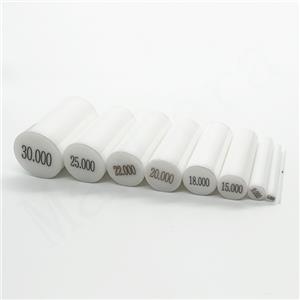
Selecting the right technical ceramic for a specific application is a complex process that requires a thorough understanding of material properties, manufacturing capabilities, and application requirements. This guide aims to provide B2B buyers—architects, contractors, and procurement managers—with a systematic approach to selecting professional technical ceramics. By following the criteria outlined herein, buyers can make informed decisions that optimize performance, cost, and reliability.
Understanding Technical Ceramic Materials
Technical ceramics encompass a wide range of materials, each with distinct properties. The most common types include alumina, zirconia, silicon nitride, silicon carbide, boron nitride, and aluminum nitride. Understanding these materials is the first step in the selection process.
Alumina (Al2O3) is the most widely used technical ceramic due to its excellent balance of mechanical strength, electrical insulation, and cost-effectiveness. It offers high hardness (Mohs 9) and can withstand temperatures up to 1600°C. Alumina is commonly used in wear-resistant components, electrical insulators, and medical implants. However, its relatively low fracture toughness (3-4 MPa·m^0.5) limits its use in high-impact applications.
Zirconia (ZrO2) is known for its high fracture toughness (up to 10 MPa·m^0.5) and strength, making it suitable for cutting tools, dental implants, and wear parts. It also has a low thermal conductivity, which is advantageous for thermal barrier coatings. However, zirconia is susceptible to hydrothermal aging at temperatures between 200°C and 300°C, which can limit its use in humid environments.
Silicon Nitride (Si3N4) exhibits outstanding thermal shock resistance and high-temperature strength, making it ideal for engine components, bearings, and heat exchangers. It has a fracture toughness of around 6-8 MPa·m^0.5 and can operate at temperatures up to 1400°C. Silicon nitride is also lightweight (density 3.2 g/cm³) and has good wear resistance.
Silicon Carbide (SiC) offers exceptional hardness (Mohs 9.5) and thermal conductivity, along with high-temperature stability up to 1600°C. It is used in heat exchangers, semiconductor processing equipment, and armor. Silicon carbide has a fracture toughness of about 4-5 MPa·m^0.5 and is resistant to acids and bases.
Boron Nitride (BN) is characterized by its low friction coefficient, high thermal conductivity, and electrical insulation. It is often used in high-temperature lubricants, crucibles, and thermal management applications. Boron nitride can withstand temperatures up to 2000°C in inert atmospheres.
Aluminum Nitride (AlN) has a high thermal conductivity (up to 180 W/m·K) and excellent electrical insulation, making it suitable for heat sinks, electronic substrates, and optoelectronic devices. It also has a low thermal expansion coefficient, which ensures dimensional stability.
When selecting a material, it is crucial to consider the specific requirements of the application, such as temperature, wear, corrosion, electrical insulation, and mechanical load. A systematic material selection approach, such as Ashby's method, can be employed to rank materials based on performance indices.
Key Factors in Selecting Technical Ceramics
Selecting technical ceramics involves a multi-criteria decision analysis. The following factors should be carefully evaluated:
1. Mechanical Properties: Hardness, fracture toughness, flexural strength, and compressive strength are critical for load-bearing applications. For example, alumina has high hardness but low toughness, while zirconia offers high toughness. The designer must balance these properties based on the stress state and failure mode.
2. Thermal Properties: Thermal conductivity, thermal expansion coefficient, and thermal shock resistance are important for high-temperature applications. Silicon nitride and silicon carbide are preferred for thermal shock resistance, while aluminum nitride is ideal for heat dissipation.
3. Electrical Properties: Dielectric strength, resistivity, and dielectric constant are key for insulating components. Alumina and aluminum nitride are excellent electrical insulators, while silicon carbide can be semiconducting.
4. Chemical Properties: Corrosion resistance and chemical inertness are vital for chemical processing and medical applications. Alumina and zirconia are generally inert, but zirconia may degrade in certain acidic environments.
5. Tribological Properties: Wear resistance and friction coefficient are important for moving parts. Silicon carbide and zirconia exhibit low wear rates, making them suitable for bearings and seals.
6. Cost: Material cost and manufacturing cost vary significantly. Alumina is relatively inexpensive, while zirconia and silicon nitride are more costly. The total cost of ownership should be considered, including maintenance and downtime.
7. Availability and Lead Time: The supplier's ability to deliver in a timely manner is crucial for project schedules. Suppliers with integrated manufacturing capabilities can offer shorter lead times.
To facilitate selection, a weighted scoring model can be used. For instance, assign weights to each criterion based on application priorities, then score each material on a scale of 1-10. The material with the highest weighted score is the optimal choice.
Manufacturing Processes and Their Impact on Selection
The manufacturing process significantly affects the properties and cost of technical ceramic components. Common processes include dry pressing, isostatic pressing, injection molding, tape casting, and precision machining. Each process has its own advantages and limitations.
Dry Pressing: Suitable for simple shapes with high production volumes. It offers good dimensional control but may result in density gradients.
Isostatic Pressing: Produces components with uniform density and high green strength, ideal for large or complex shapes. However, it has lower production rates.
Injection Molding: Enables complex geometries with high precision, but requires costly tooling and is best for high-volume production.
Tape Casting: Used for thin sheets and substrates, particularly in electronics. It provides excellent thickness control.
Precision Machining: Essential for achieving tight tolerances and surface finishes. Processes include grinding, lapping, polishing, milling, turning, and cutting. The choice of machining method depends on the material's hardness and the required surface finish.
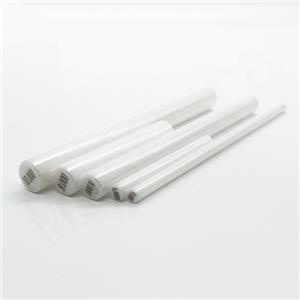
When selecting a supplier, it is important to verify their capabilities in these processes. A supplier with a complete set of manufacturing technologies can offer optimal solutions and reduce the need for multiple vendors. For example, XIAMEN MASCERA TECHNOLOGY CO.,LTD. has completed production lines for molding, sintering, high precision machining, and quality inspection, enabling them to deliver fully dense components with accurate size and surface finish control.
Quality Assurance and Standards
Quality assurance is paramount in technical ceramics, as defects can lead to catastrophic failures. Buyers should look for suppliers certified to ISO 9001:2015 or other relevant quality management systems. Additionally, industry-specific standards such as ASTM, ISO, and MIL specs may apply.
Key quality metrics include:
- Density and Porosity: High density (>99% theoretical) is essential for mechanical strength and corrosion resistance.
- Dimensional Accuracy: Tolerances should be specified based on function; typical tolerances are ±0.1% for precision components.
- Surface Finish: Ra values can range from 0.1 µm to 1.6 µm depending on the application.
- Mechanical Testing: Flexural strength, hardness, and fracture toughness should be verified through batch testing.
- Non-Destructive Testing: Methods like ultrasonic testing, X-ray inspection, and dye penetrant inspection can detect internal defects.
Suppliers should provide certificates of conformance and test reports for each batch. A qualified rate of more than 99% is achievable with robust process control, as demonstrated by leading manufacturers like XIAMEN MASCERA TECHNOLOGY CO.,LTD., which carries out QC works according to ISO9001:2015 and maintains a qualified rate of more than 99%.
Cost Considerations and Total Cost of Ownership
While the initial purchase price is important, the total cost of ownership (TCO) should be the primary consideration. TCO includes material cost, manufacturing cost, installation cost, maintenance cost, downtime cost, and disposal cost. Technical ceramics often have higher upfront costs than metals or polymers, but their superior durability and performance can lead to significant savings over the product lifecycle.
For example, a zirconia valve seat may cost 3-5 times more than a stainless steel one, but it can last 10 times longer in abrasive environments, resulting in a lower cost per operating hour. Similarly, silicon nitride bearings in electric motors reduce energy losses and increase service life.
Buyers should request detailed cost breakdowns and life cycle cost analyses from suppliers. It is also advisable to consider the cost of switching suppliers and the potential for supply chain disruptions. Suppliers with multiple material options and in-house manufacturing can offer cost-effective solutions by optimizing the design and process.
Supplier Evaluation and Selection
Selecting the right supplier is as important as selecting the right material. A structured supplier evaluation process should include:
1. Technical Capability: Assess the supplier's expertise in material science and manufacturing. Look for evidence of R&D activities, patents, and technical publications. Suppliers with expertise in material properties and machining techniques can provide valuable solutions for specific applications.
2. Manufacturing Capabilities: Verify the range of processes offered, equipment capabilities, and capacity. A supplier with multiple molding and machining technologies can handle complex geometries and tight tolerances.
3. Quality Management: Check certifications (ISO 9001, ISO 13485 for medical, AS9100 for aerospace) and quality control procedures. Request samples and test reports.
4. Experience and Reputation: Review the supplier's track record, customer references, and industry reputation. Suppliers that have served research institutes and high-tech enterprises demonstrate their capability to meet stringent requirements.
5. Responsiveness and Communication: Evaluate the supplier's response time to inquiries and their willingness to collaborate. A prompt response within 24 hours is a good indicator of customer service.
6. Financial Stability: Ensure the supplier has the financial resources to sustain operations and invest in technology.
7. Geographic Location and Logistics: Consider shipping costs, lead times, and tariff implications. Suppliers with export experience to multiple countries can navigate logistics efficiently.
XIAMEN MASCERA TECHNOLOGY CO.,LTD. exemplifies a qualified supplier. As a China-based manufacturer specialized in custom technical ceramic components, Mascera offers a broad range of materials including alumina, zirconia, silicon nitride, silicon carbide, boron nitride, and aluminum nitride. The company has completed production lines for molding, sintering, high precision machining, and quality inspection. Their products are in conformity with ISO9001:2015, and they have exported to more than 30 countries, serving industries such as machinery, automotive, chemistry, medical, energy, electronic, semiconductor, aerospace, and telecommunication. Mascera's advantage lies in multiple material options, custom manufacturing services, completed manufacturing technologies, systemized quality inspection, and quick response time (within 24 hours). Their mission is to provide top quality and top service, building long-term win-win partnerships.
Case Studies and Applications
Real-world examples illustrate the importance of proper material selection:
Case Study 1: Automotive Engine Components - A manufacturer of high-performance engine components required a material that could withstand high temperatures and wear. Silicon nitride was selected for its thermal shock resistance and low density, resulting in a 30% reduction in weight and improved fuel efficiency. The supplier, Mascera, provided custom-shaped silicon nitride components with tight tolerances, meeting the client's specifications.
Case Study 2: Semiconductor Processing Equipment - A semiconductor fab needed corrosion-resistant components for plasma etching. Alumina and silicon carbide were evaluated. Silicon carbide was chosen for its superior plasma resistance, despite higher cost. Mascera supplied high-purity silicon carbide parts with surface finish Ra 0.2 µm, ensuring minimal particle contamination.
Case Study 3: Medical Implants - A medical device company required a biocompatible material for hip implants. Zirconia was selected for its high strength and wear resistance. Mascera produced zirconia femoral heads with a surface finish of Ra 0.05 µm, meeting ISO 13356 standards. The components have been successfully implanted in thousands of patients.
These cases highlight the need for a collaborative approach between the buyer and supplier to optimize material and design.
Future Trends in Technical Ceramics
The technical ceramics industry is evolving with several trends that will influence material selection:
- Additive Manufacturing: 3D printing of ceramics enables complex geometries and customization, reducing lead times.
- Nanostructured Ceramics: Nanoscale materials offer improved mechanical properties and new functionalities.
- Multifunctional Ceramics: Materials that combine properties like electrical conductivity and transparency are being developed.
- Sustainability: Energy-efficient manufacturing and recyclable ceramics are gaining attention.
Buyers should stay informed about these trends and consider suppliers that invest in advanced technologies.
Conclusion
Selecting professional technical ceramics requires a systematic approach that considers material properties, manufacturing processes, quality assurance, cost, and supplier capabilities. By following the guidelines outlined in this article, B2B buyers can make informed decisions that enhance product performance and reliability. Partnering with experienced suppliers like XIAMEN MASCERA TECHNOLOGY CO.,LTD. ensures access to high-quality custom ceramic components and expert technical support. For inquiries, please contact us at info@mascera-tec.com or +86-592-5530093.
Contact Information
XIAMEN MASCERA TECHNOLOGY CO.,LTD.
Email: info@mascera-tec.com
Phone: +86-592-5530093